
Most Expensive Pearl Color: Complete Guide to Pearl Colors and Meanings
Discover the world of luxurious pearls with our comprehensive guide. This article explores the factors that determine a pearl's value, focusing on the most expensive colors like golden South Sea, pristine white South Sea, and rare silver-blue Tahitian pearls. Learn about the significance of size, luster, shape, and origin in pricing. We also delve into the cultural symbolism and market demand for various shades, from romantic pink pearls to mysterious black ones. Whether you are a collector, jeweler, or enthusiast, this guide provides essential insights into the fascinating and valuable world of pearls. Frequently asked questions about jewelry wholesale, ordering process, custom OEM/ODM services, and shipping. Get all the answers from JR Fashion Accessories.
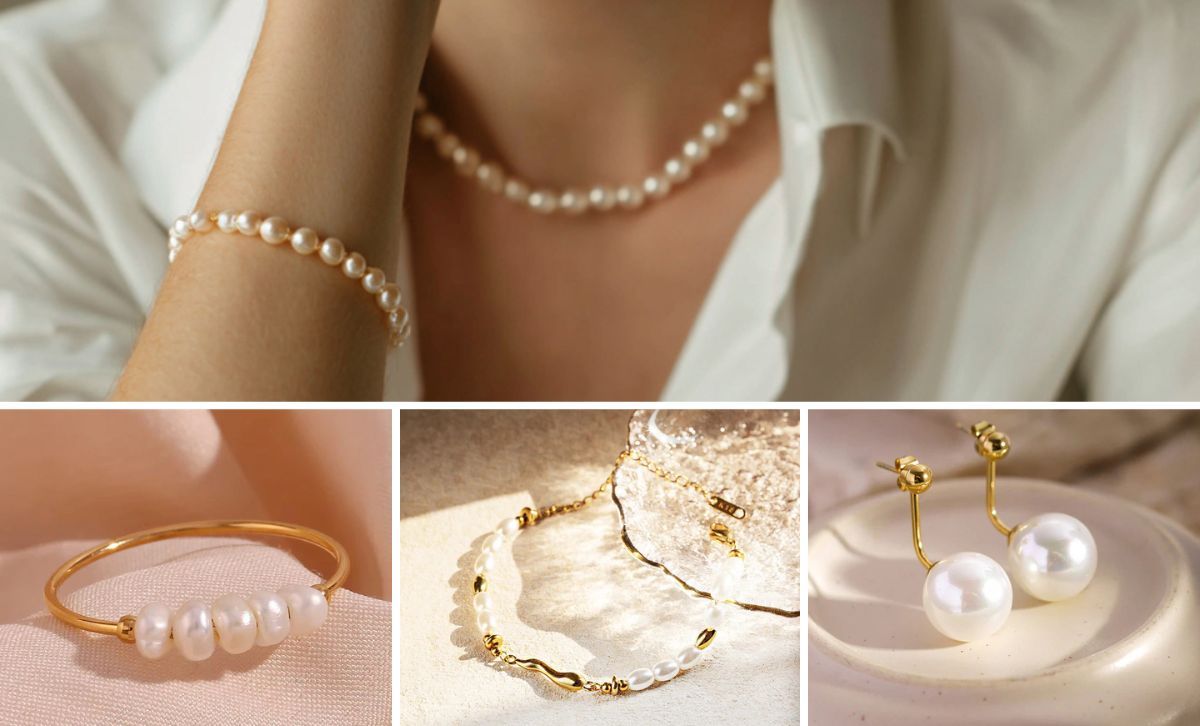
Most Expensive Pearl Color: Complete Guide to Pearl Colors and Meanings
An expert guide to understanding the value, rarity, and symbolism of different pearl colors.
Discover the world of luxurious pearls with our comprehensive guide. This article explores the factors that determine a pearl's value, focusing on the most expensive colors like golden South Sea, pristine white South Sea, and rare silver-blue Tahitian pearls. Learn about the significance of size, luster, shape, and origin in pricing. We also delve into the cultural symbolism and market demand for various shades, from romantic pink pearls to mysterious black ones. Whether you are a collector, jeweler, or enthusiast, this guide provides essential insights into the fascinating and valuable world of pearls.
What Is the Most Expensive Pearl Color?
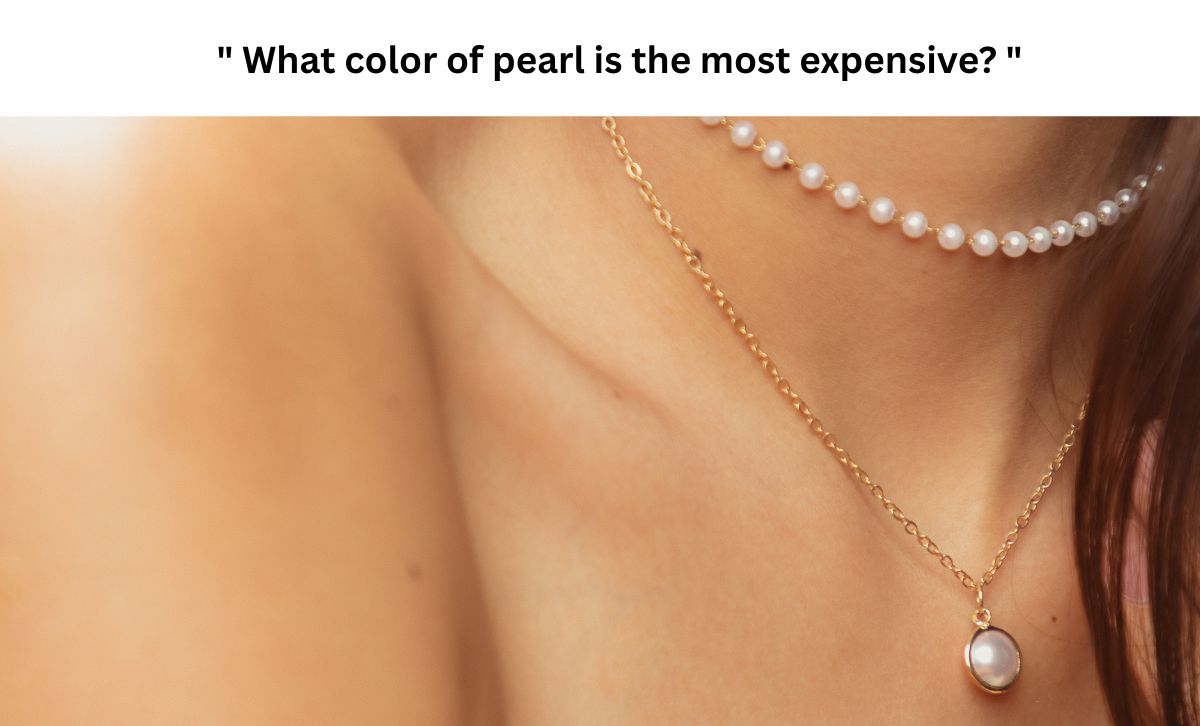
Many buyers ask: what color pearl is the most expensive? While size, luster, and origin matter, golden South Sea pearls and large white South Sea pearls consistently rank among the most expensive pearl colors. Rare Tahitian pearls with silver-blue overtones and natural Blue Akoya pearls also stand out as premium varieties.
Most Expensive Pearl Colors and Their Unique Qualities
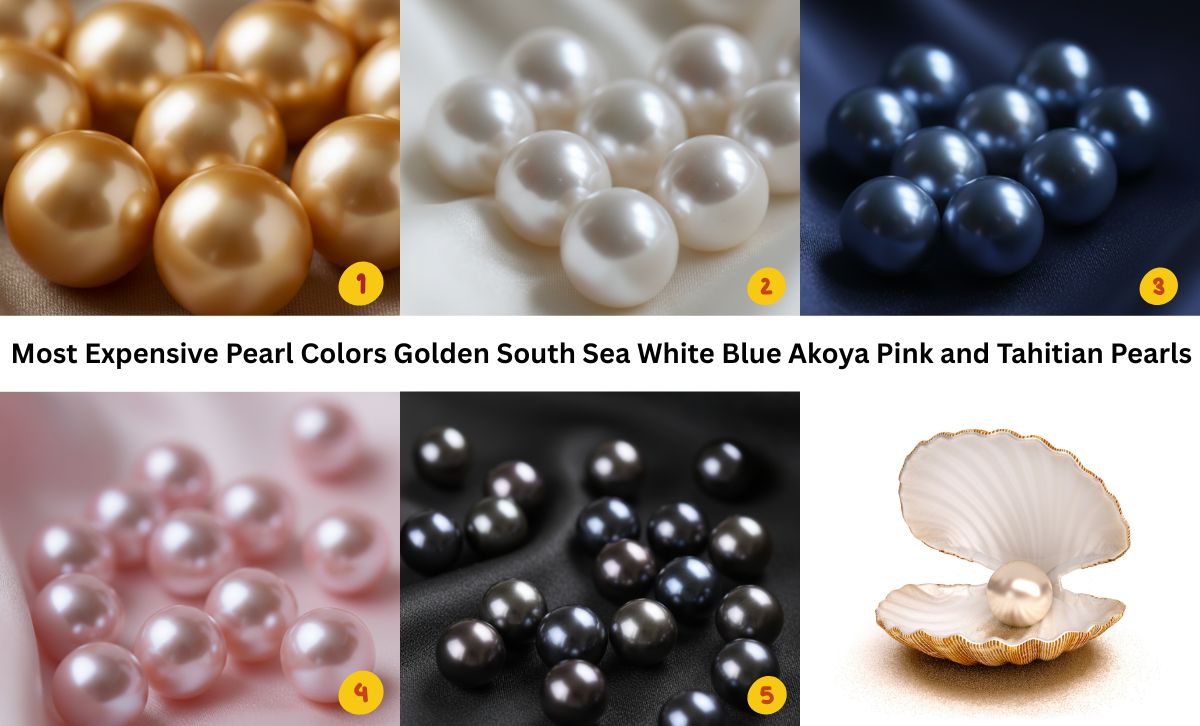
- Golden South Sea Pearls – Among the Most Expensive Pearl Colors: Known as one of the most expensive pearl colors, golden South Sea pearls feature natural golden hues ranging from light champagne to deep gold. The richer the tone, the higher the value.
- White South Sea Pearls – Classic and Valuable: White South Sea pearls are admired for their large size, thick nacre, and mirror-like luster. They remain a timeless choice in luxury jewelry and are always among the top most expensive pearls.
- Blue Akoya Pearls – Rare and Collectible: Blue Akoya pearls are rare within the Akoya family. They typically display a silver-blue or gray-blue overtone rather than a bright blue color. Natural Blue Akoya pearls are scarce and considered premium among collectors.
- Pink Pearls – Romantic and Popular: Pink pearls—often freshwater or Akoya varieties—carry romantic symbolism and are especially popular for bridal jewelry. While they are not the most expensive pearl color, their cultural meaning adds strong appeal.
- Tahitian Pearls with Silver or Blue Overtones: Tahitian black pearls with silver, blue, or peacock overtones are especially prized. These unique shades give them a dramatic look and make them stand out in the luxury pearl market.
Rare Pearl Colors Beyond the Most Expensive Varieties
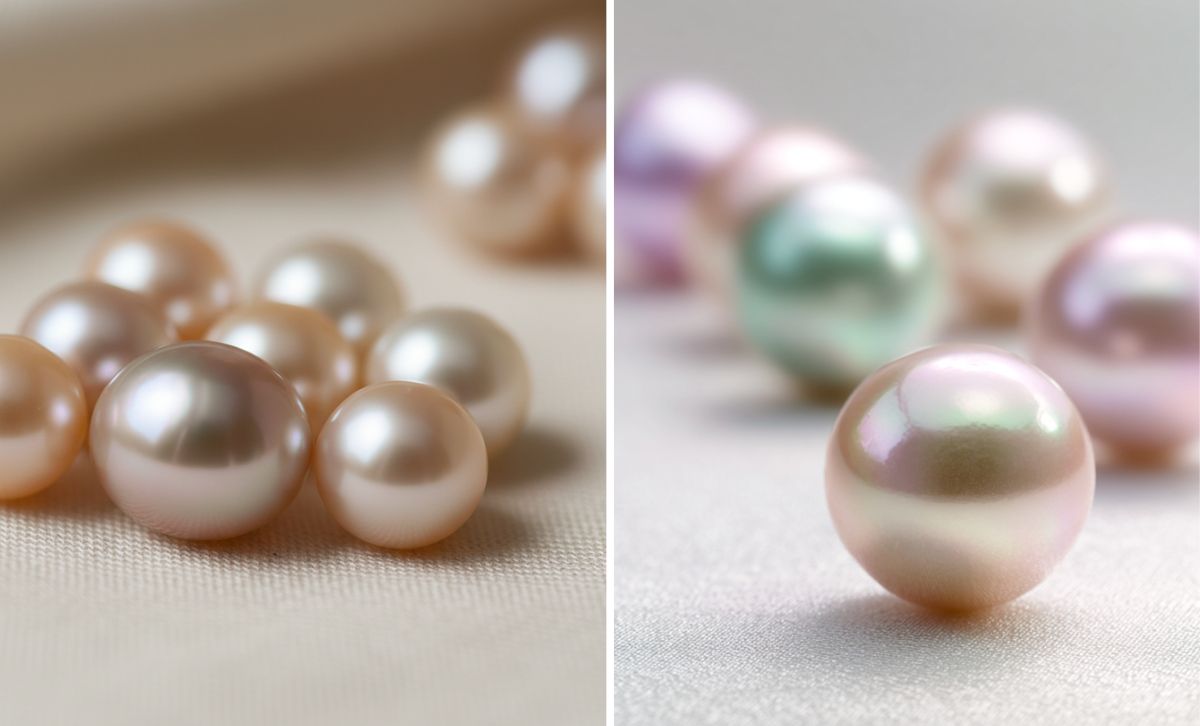
While golden and white South Sea pearls dominate the market as the most expensive pearl colors, some rare and unusual shades attract niche collectors and jewelry enthusiasts. These unique hues may not always reach the highest market prices, but they offer distinct beauty and cultural value.
- Pinkish Green Pearls – Rare and Uncommon: Found occasionally among select freshwater pearls, pinkish green pearls stand out for their unusual coloration. Their scarcity makes them highly collectible.
- Lotus de Luxe Pearls – Branding Appeal: The term “Lotus de Luxe” refers to pearls with soft, lotus-like pastel shades, appealing to buyers seeking distinctive colors.
- Baroque Pearls – Irregular but Artistic: Known for their irregular shapes, Baroque pearls offer unique designs popular in fashion jewelry. Their value depends on size, luster, and overall appeal.
- Edison Pearls – Large, Round, and Lustrous: Introduced in 2011, Edison pearls revolutionized freshwater pearl cultivation with their large size, roundness, and strong luster, often rivaling saltwater pearls.
Pearl Color Chart Guide
A pearl’s color depends on the species of mollusk and its growing environment. It's important to distinguish between natural colors and imitations.
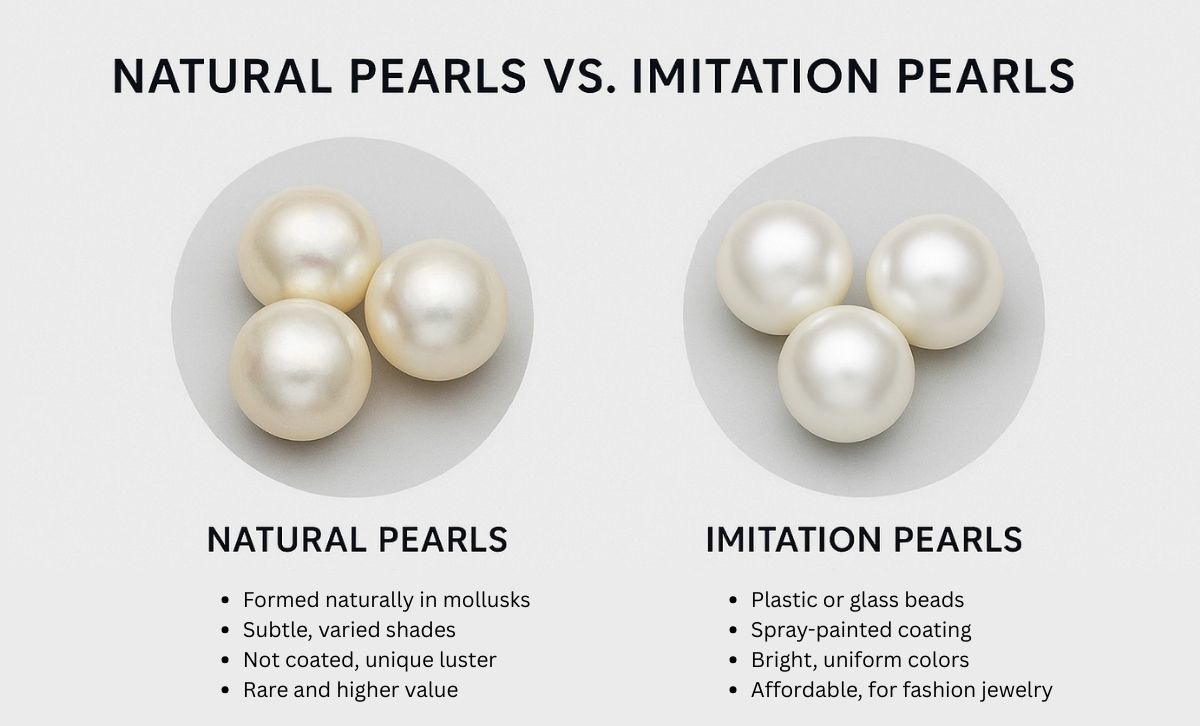
- Natural Pearl Colors: These form naturally during cultivation. Shades can vary based on region and mollusk.
- Imitation Pearls: These are plastic or glass beads with a sprayed coating, allowing for consistent and bright colors suitable for fashion jewelry.
Types of Pearls That Affect Value
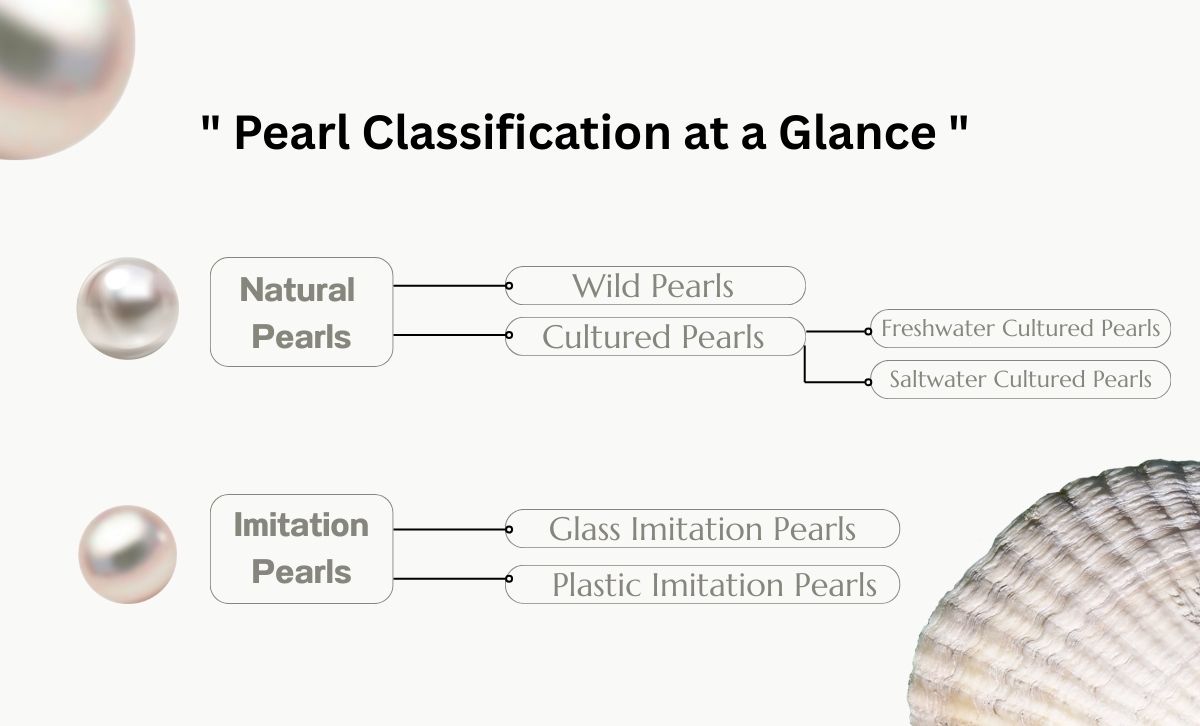
Understanding the different types of pearls is key to appreciating their value.
- Wild Pearls: Extremely rare, as only about 1 in 15,000 mollusks naturally produce a pearl. Most available today are antique pieces.
- Freshwater Pearls: Primarily produced in China, these are often irregular in shape and more affordable, making them common in fashion jewelry.
- Saltwater Pearls: These include Akoya, South Sea, and Tahitian varieties. They are typically rounder with a sharper luster, used in luxury jewelry and commanding higher prices.
Most Expensive Pearl Color Meaning and Symbolism
- White Pearls: Symbolize purity, innocence, and elegance. A classic choice for weddings and anniversaries.
- Gold Pearls: Associated with prosperity, success, and luxury. Often chosen for milestone celebrations.
- Pink Pearls: Represent romance, love, and femininity. Popular for romantic gifts.
- Silver-Blue or Blue Akoya Pearls: Signify wisdom, sophistication, and calm. Highly sought after by collectors.
- Black Pearls: Symbolize strength, mystery, and individuality. A bold choice for statement jewelry.
Key Factors That Define Pearl Value
Besides color, four main factors determine a pearl's value:
- Size: Larger pearls are rarer and more valuable.
- Shape: Perfectly round pearls are the most difficult to cultivate and thus the most prized.
- Luster: A strong, mirror-like reflection indicates high quality.
- Origin: South Sea, Tahitian, and Akoya pearls command higher prices than most freshwater pearls.
FAQ About the Most Expensive Pearl Color and Value
Q: What is the most expensive pearl color?
A: Golden South Sea and large White South Sea pearls are widely recognized as the most expensive pearl colors.
Q: What color pearl is the most expensive?
A: Golden and silver-blue tones often command the highest prices, depending on quality.
Q: What is the rarest pearl in the world?
A: Natural Blue Akoya pearls, unusually large golden South Sea pearls, and unique pinkish green pearls are among the rarest.
Q: What does pearl color mean?
A: Different shades symbolize purity, wealth, romance, or strength.
Q: Are shell pearls real pearls?
A: Shell pearls are imitation pearls made from shell material. They are durable and affordable but not naturally formed.
Customer Favorites

Most Expensive Pearl Color: Complete Guide to Pearl Colors and Meanings
JR Fashion Accessories provides comprehensive OEM/ODM jewelry manufacturing with over 35 years of industry expertise and global export experience.
Specializing in 925 sterling silver, brass, and stainless steel, we ensure high quality through ISO 9001 certification and CPSIA/EN71 safety compliance.
We offer flexible customization, low MOQ (starting from 50pcs for silver), and professional design support for fashion brands and retailers worldwide.


